Best power station for Starlink: how long will it run?
Updated Oct 13, 2026
We may earn a commission when you buy through links on this page. As an Amazon Associate I earn from qualifying purchases.
Starlink is one of the most popular reasons to buy a power station: it keeps you online at a campsite, in an RV or when the power goes out at home. The good news is that Starlink is a fairly light load. The key is knowing which dish you have, because power use varies a lot between models.
How much power does Starlink use?
Starlink lists average power consumption of roughly 75–100 W for the Standard kit and roughly 25–40 W for Starlink Mini. Actual use depends on weather (snow melt raises it), network load and how much the dish has to move. For a reliable estimate, measure your own setup with a plug-in watt meter for a day.
Starlink runs around the clock if you leave it on, so the daily energy adds up: a Standard kit at 75 W uses about 1,800 Wh in 24 hours. Turning it off overnight, or when you’re not using it, roughly halves that.
Runtime for Starlink Standard on every current station
Based on a 75 W average draw (the low end for the Standard kit), 85% usable capacity and continuous use. At 100 W, expect about 25% less.
| Power station | Capacity | Runtime |
|---|---|---|
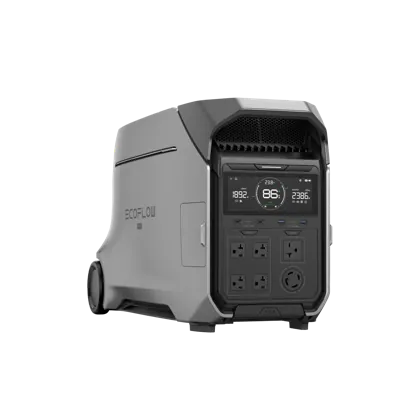 EcoFlow DELTA Pro 3 EcoFlow DELTA Pro 3 | 4,096 Wh | 46.4 h |
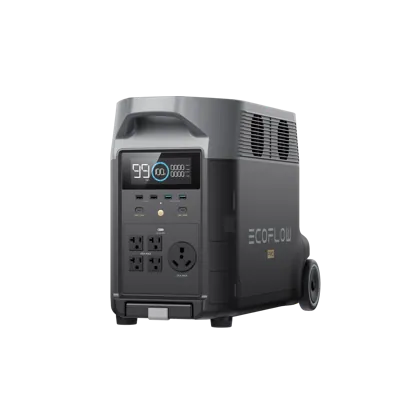 EcoFlow DELTA Pro EcoFlow DELTA Pro | 3,600 Wh | 40.8 h |
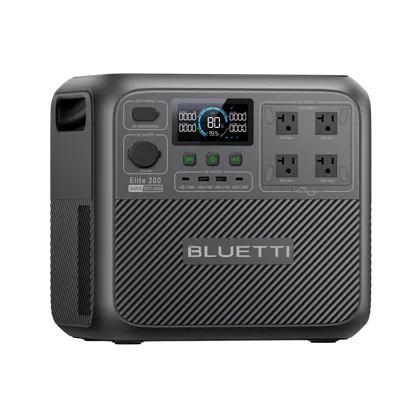 BLUETTI Elite 200 V2 BLUETTI Elite 200 V2 | 2,074 Wh | 23.5 h |
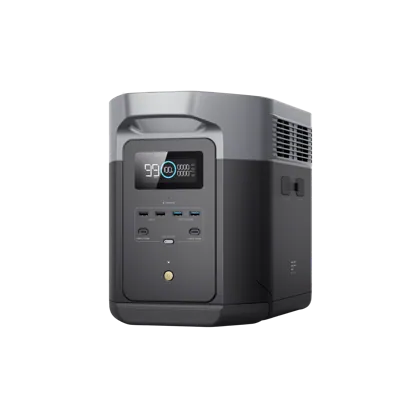 EcoFlow DELTA 2 Max EcoFlow DELTA 2 Max | 2,048 Wh | 23.2 h |
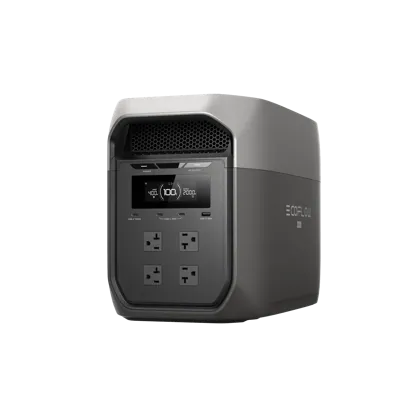 EcoFlow DELTA 3 Max EcoFlow DELTA 3 Max | 2,048 Wh | 23.2 h |
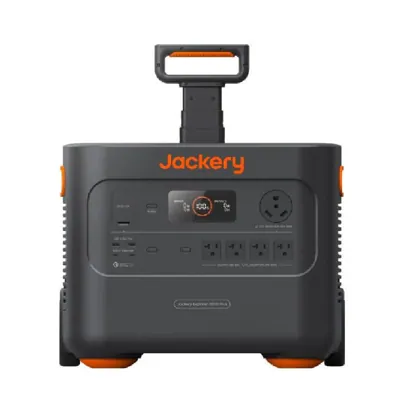 Jackery Explorer 2000 Plus Jackery Explorer 2000 Plus | 2,042 Wh | 23.1 h |
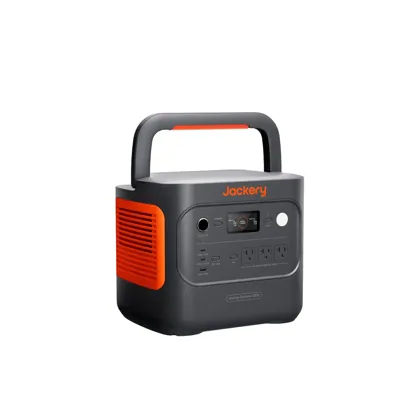 Jackery Explorer 2000 v2 Jackery Explorer 2000 v2 | 2,042 Wh | 23.1 h |
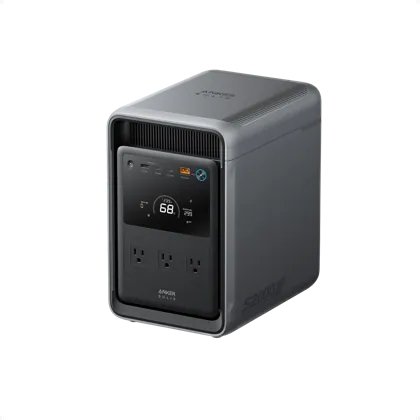 Anker SOLIX S2000 Anker SOLIX S2000 | 2,010 Wh | 22.8 h |
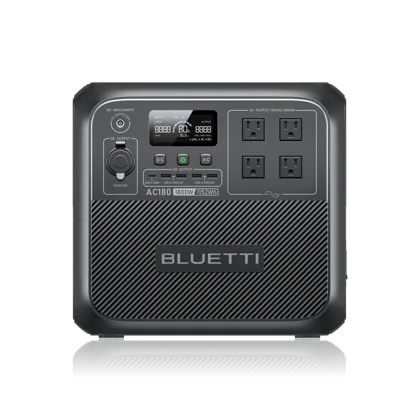 BLUETTI AC180 BLUETTI AC180 | 1,152 Wh | 13.1 h |
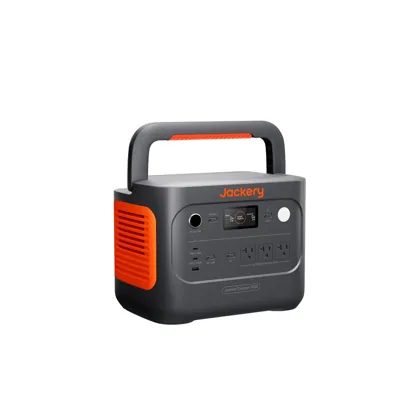 Jackery Explorer 1000 v2 Jackery Explorer 1000 v2 | 1,070 Wh | 12.1 h |
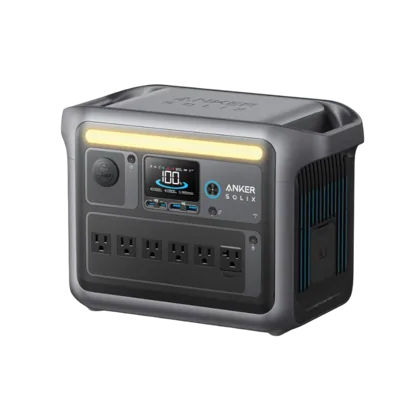 Anker SOLIX C1000 Anker SOLIX C1000 | 1,056 Wh | 12.0 h |
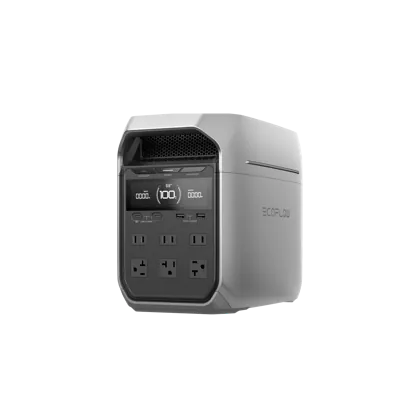 EcoFlow DELTA 3 Plus EcoFlow DELTA 3 Plus | 1,024 Wh | 11.6 h |
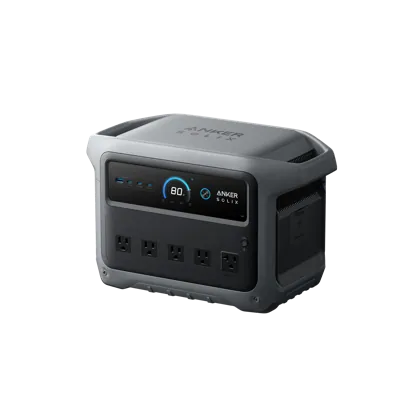 Anker SOLIX C1000 Gen 2 Anker SOLIX C1000 Gen 2 | 1,024 Wh | 11.6 h |
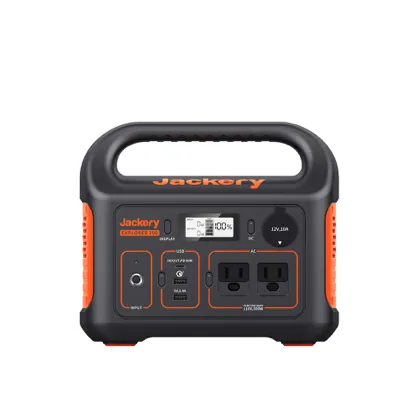 Jackery Explorer 300 Jackery Explorer 300 | 293 Wh | 3.3 h |
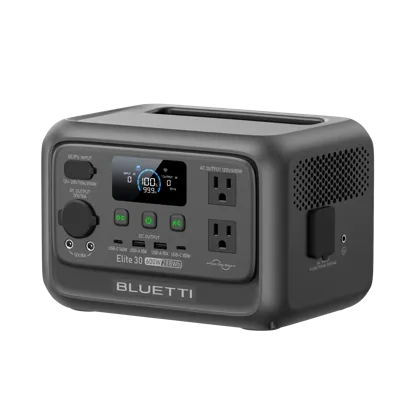 BLUETTI Elite 30 V2 BLUETTI Elite 30 V2 | 288 Wh | 3.3 h |
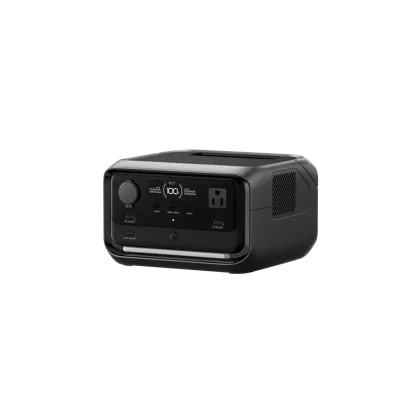 EcoFlow RIVER 3 Plus EcoFlow RIVER 3 Plus | 286 Wh | 3.2 h |
Starlink Mini: much easier to power
At roughly a third of the Standard kit’s draw, Starlink Mini runs about three times longer on the same station. A compact station of around 300 Wh can run it for roughly 6–10 hours. Starlink says Mini can also be powered from DC (a 12–48 V source or a USB-C PD charger rated for 100 W), which skips the station’s AC inverter and stretches runtime further.
How to get more runtime
- Use DC where you can. Running from a DC or USB-C output avoids inverter losses.
- Turn it off when you sleep or schedule it with a smart plug.
- Add solar. A 200 W panel in good sun can cover much of a Standard kit’s daytime use. See our solar charging guide.
- Size for the whole setup. Remember the router, laptops and phones that use the connection. Use the runtime calculator to add them together.
Our picks for Starlink
For Starlink Mini and light use: a compact LiFePO4 station.
EcoFlow · Compact
RIVER 3 Plus
- 286Wh
- 600W out
- 10.4lb
Twice the output of most compact stations (600 W), a fast 10 ms UPS, and an add-on battery option that triples its capacity.
As an Amazon Associate I earn from qualifying purchases.
For Starlink Standard all day, plus laptops: a 1 kWh station with good solar input.
Anker · Mid-size
SOLIX C1000 Gen 2
- 1,024Wh
- 2,000W out
- 24.9lb
The fastest-charging 1 kWh station here (49 minutes from the wall), with 2,000 W output, 4,000 cycles and a 10 ms UPS, at under 25 lb.
EcoFlow · Mid-size
DELTA 3 Plus
- 1,024Wh
- 1,800W out
- 27.6lb
The DELTA 2’s successor: same 1 kWh size, but 4,000 cycles, double the solar input (1,000 W), 140 W USB-C and expansion to 5 kWh.
As an Amazon Associate I earn from qualifying purchases.
Living in an RV or van? See best power stations for RVs and van life, ranked by solar input.