How long will a power station run an electric blanket?
Updated Oct 18, 2026
We may earn a commission when you buy through links on this page. As an Amazon Associate I earn from qualifying purchases.
An electric blanket is one of the most efficient ways to stay warm on battery power. It heats you instead of the whole room, so it uses a small fraction of what a space heater does. Even a compact 300 Wh station can run one for several hours, and a 1 kWh station can run one all night, several nights in a row.
How many watts does an electric blanket use?
Most electric blankets and heated mattress pads are rated around 50–200 W, depending on size and setting. A queen blanket is often about 100 W at full power. Once the bed is warm, the thermostat cycles the heat on and off, so the average draw falls, often to around half.
- Throw or single: about 50–100 W
- Queen: about 100–150 W
- King, dual control: about 150–200 W with both sides on
Your blanket’s label lists its rated watts. A cheap plug-in watt meter can measure the real average over a night.
Runtime by power station
This table assumes a queen blanket rated at 100 W, cycling about half the time (about 50 W on average).
| Power station | Capacity | Runtime |
|---|---|---|
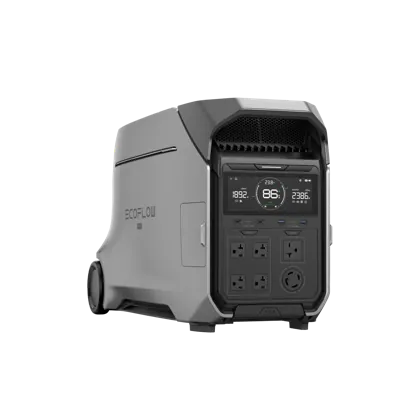 EcoFlow DELTA Pro 3 | 4,096 Wh | 2.9 days |
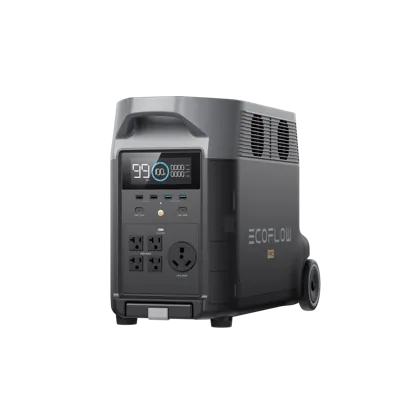 EcoFlow DELTA Pro | 3,600 Wh | 2.6 days |
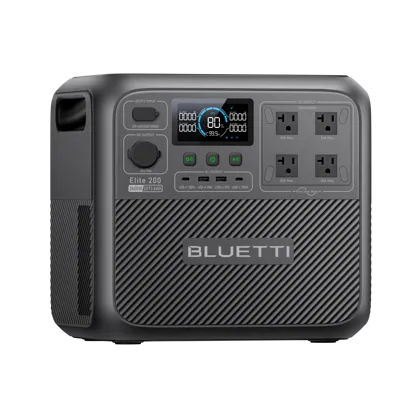 BLUETTI Elite 200 V2 | 2,074 Wh | 35.3 h |
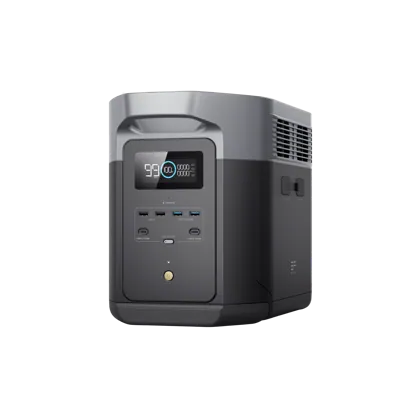 EcoFlow DELTA 2 Max | 2,048 Wh | 34.8 h |
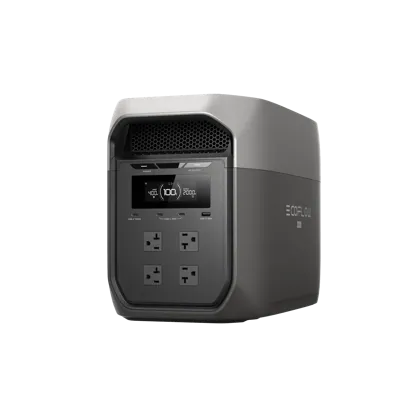 EcoFlow DELTA 3 Max | 2,048 Wh | 34.8 h |
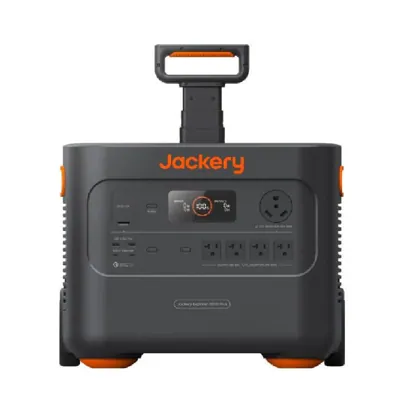 Jackery Explorer 2000 Plus | 2,042 Wh | 34.7 h |
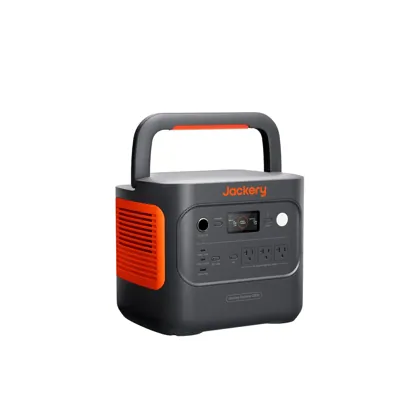 Jackery Explorer 2000 v2 | 2,042 Wh | 34.7 h |
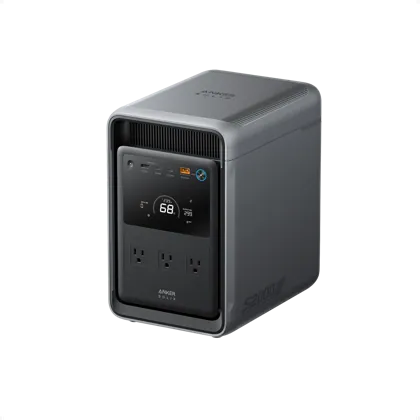 Anker SOLIX S2000 | 2,010 Wh | 34.2 h |
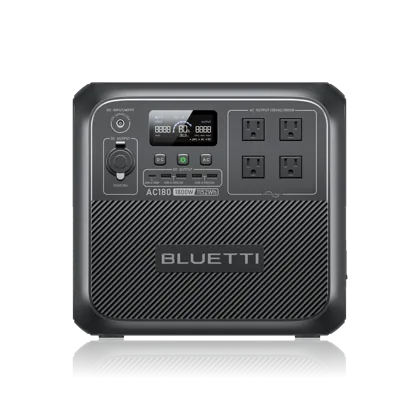 BLUETTI AC180 | 1,152 Wh | 19.6 h |
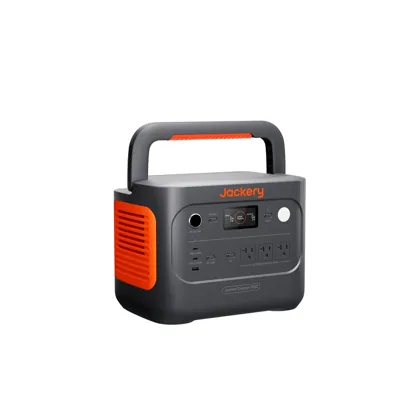 Jackery Explorer 1000 v2 | 1,070 Wh | 18.2 h |
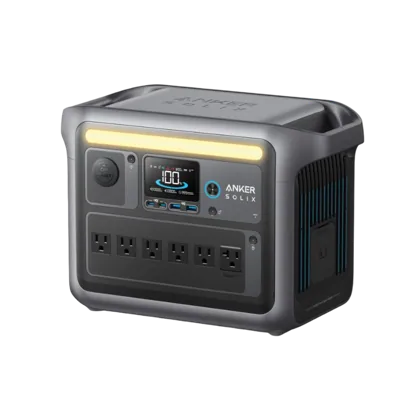 Anker SOLIX C1000 | 1,056 Wh | 18.0 h |
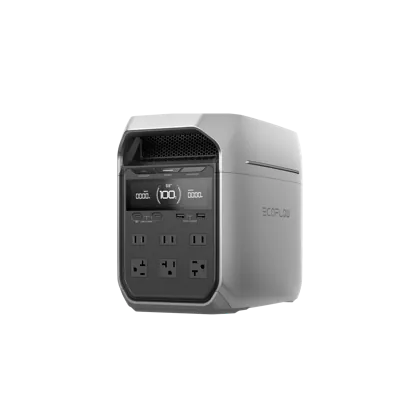 EcoFlow DELTA 3 Plus | 1,024 Wh | 17.4 h |
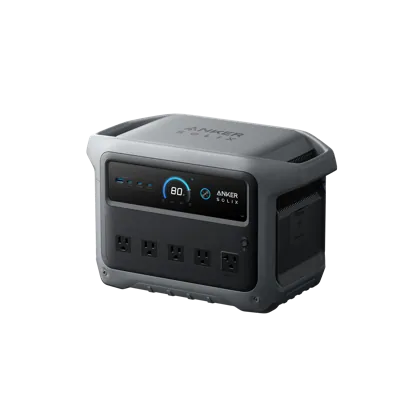 Anker SOLIX C1000 Gen 2 | 1,024 Wh | 17.4 h |
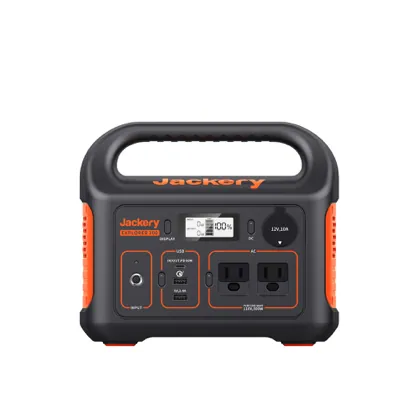 Jackery Explorer 300 | 293 Wh | 5.0 h |
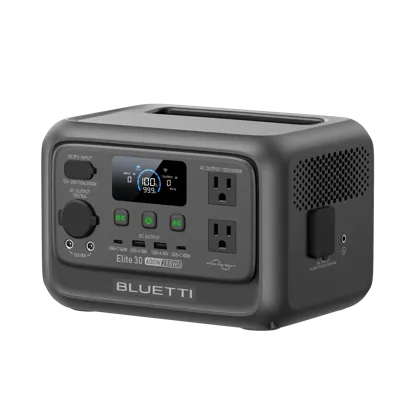 BLUETTI Elite 30 V2 | 288 Wh | 4.9 h |
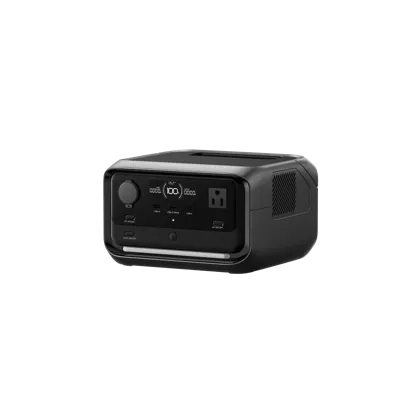 EcoFlow RIVER 3 Plus | 286 Wh | 4.9 h |
Using a lower setting, or warming the bed for 30 minutes and then switching to low, stretches these times further.
Tips for a warm night on battery
- Preheat, then turn it down. High setting while you get into bed, then low or a timer.
- Layer up. A regular comforter on top traps the heat, so the blanket cycles less.
- Use AC only for the blanket. Charge phones from USB ports, which waste less energy than the inverter.
- Turn on the station’s AC output only when you need it. An idle inverter still uses some power.
- Charging in the cold: most LiFePO4 stations won’t charge below freezing. Keep the station in the tent, car or warmest room.
Electric blanket vs space heater vs furnace
| Heat source | Typical draw | 1 kWh station lasts |
|---|---|---|
| Electric blanket (queen) | ~50 W average | about 17 hours |
| Gas furnace blower | ~250 W average | about 3.5 hours |
| Space heater on high | 1,500 W | about 35 minutes (only on models with 1,500 W+ output) |
Estimates use 85% usable capacity. Read more in can a power station run a gas furnace and can a power station run a space heater.
Safety
Follow the blanket maker’s instructions: don’t fold or bunch it while it’s on, and replace any blanket with damaged wiring. Power stations are safe indoors and in a tent because they produce no fumes; keep yours on a hard surface, not buried in bedding.
Never bring a fuel-burning heater, grill or generator into a tent, camper or home. Carbon monoxide can kill without warning.
Our picks for winter nights
For a night or two of camping: light enough to carry to the tent.
EcoFlow · Compact
RIVER 3 Plus
- 286Wh
- 600W out
- 10.4lb
Twice the output of most compact stations (600 W), a fast 10 ms UPS, and an add-on battery option that triples its capacity.
BLUETTI · Compact
Elite 30 V2
- 288Wh
- 600W out
- 9.5lb
A 288 Wh LiFePO4 compact with 600 W output, 140 W USB-C and a 10 ms UPS at under 10 lb. No published surge figure for motor loads.
As an Amazon Associate I earn from qualifying purchases.
For outages and longer trips: a 1 kWh station covers several nights, with room for phones and lights.
Anker · Mid-size
SOLIX C1000 Gen 2
- 1,024Wh
- 2,000W out
- 24.9lb
The fastest-charging 1 kWh station here (49 minutes from the wall), with 2,000 W output, 4,000 cycles and a 10 ms UPS, at under 25 lb.
Jackery · Mid-size
Explorer 1000 v2
- 1,070Wh
- 1,500W out
- 23.8lb
One of the lightest 1 kWh LiFePO4 stations, with a 4,000-cycle rating. It has fewer AC outlets than rivals.
As an Amazon Associate I earn from qualifying purchases.