How long do portable power stations last? Battery lifespan explained
Updated Oct 13, 2026
We may earn a commission when you buy through links on this page. As an Amazon Associate I earn from qualifying purchases.
A portable power station is a big purchase, so it’s worth knowing how long the battery will last. The short answer: most current LiFePO4 power stations are rated for 3,000–6,000 charge cycles, which works out to roughly 8–16 years if you fully cycle it every day, and far longer if you mainly use it for occasional outages and trips.
What “charge cycles” really mean
One cycle is one full discharge and recharge, 100% of the capacity. Using 50% today and 50% tomorrow counts as one cycle, not two. Makers rate cycle life to a point where the battery still holds a set share of its original capacity, usually 70% or 80%. After that the station still works; it just holds less energy. Because brands use different end points, compare cycle numbers loosely.
Rated cycles for every current station
| Power station | Chemistry | Rated cycles | Years if cycled daily |
|---|---|---|---|
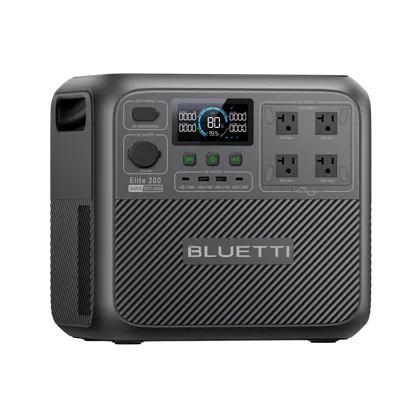 BLUETTI Elite 200 V2 BLUETTI Elite 200 V2 | LiFePO4 | 6,000 | about 16 |
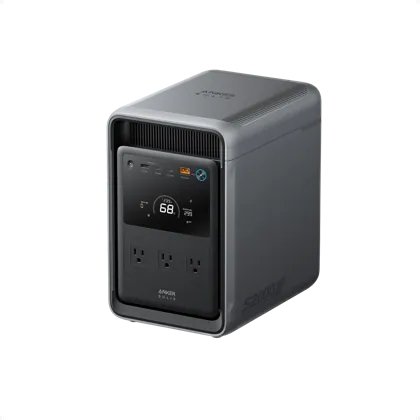 Anker SOLIX S2000 Anker SOLIX S2000 | LiFePO4 | 6,000 | about 16 |
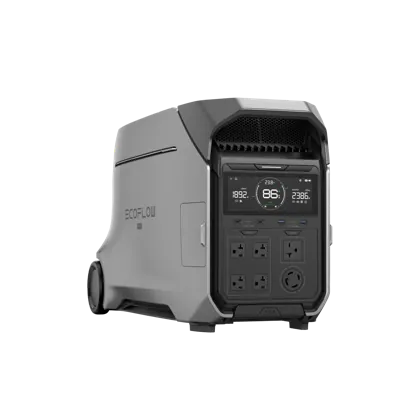 EcoFlow DELTA Pro 3 EcoFlow DELTA Pro 3 | LiFePO4 | 4,000 | about 11 |
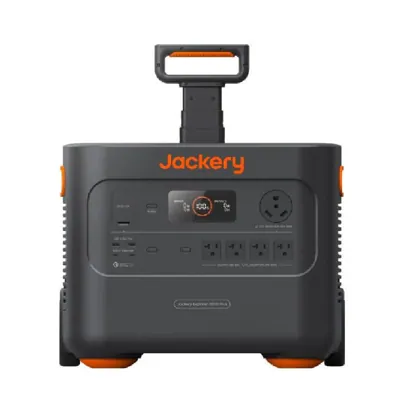 Jackery Explorer 2000 Plus Jackery Explorer 2000 Plus | LiFePO4 | 4,000 | about 11 |
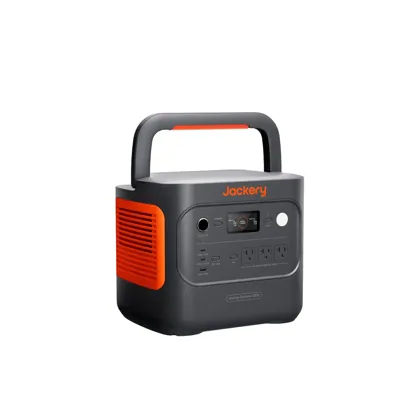 Jackery Explorer 2000 v2 Jackery Explorer 2000 v2 | LiFePO4 | 4,000 | about 11 |
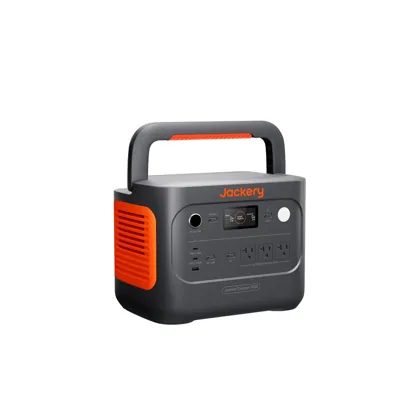 Jackery Explorer 1000 v2 Jackery Explorer 1000 v2 | LiFePO4 | 4,000 | about 11 |
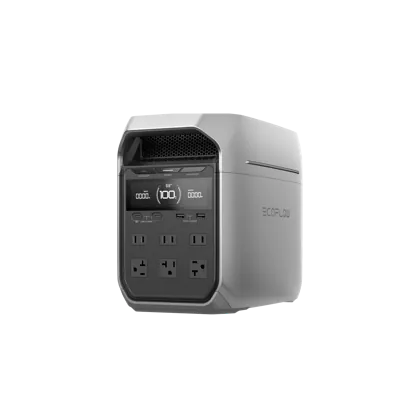 EcoFlow DELTA 3 Plus EcoFlow DELTA 3 Plus | LiFePO4 | 4,000 | about 11 |
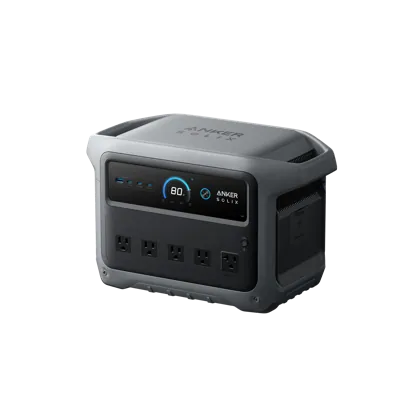 Anker SOLIX C1000 Gen 2 Anker SOLIX C1000 Gen 2 | LiFePO4 | 4,000 | about 11 |
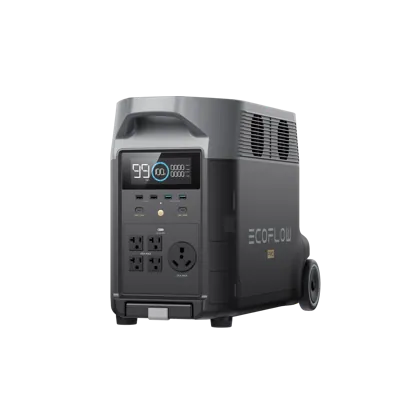 EcoFlow DELTA Pro EcoFlow DELTA Pro | LiFePO4 | 3,500 | about 10 |
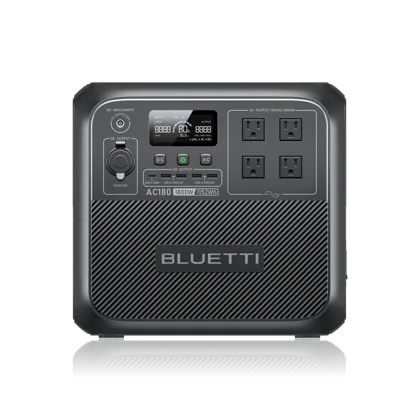 BLUETTI AC180 BLUETTI AC180 | LiFePO4 | 3,500 | about 10 |
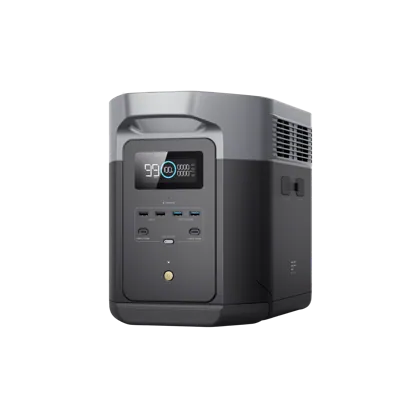 EcoFlow DELTA 2 Max EcoFlow DELTA 2 Max | LiFePO4 | 3,000 | about 8 |
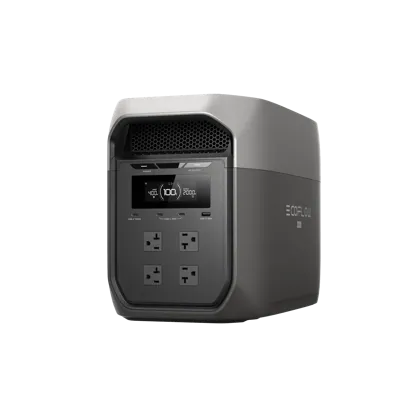 EcoFlow DELTA 3 Max EcoFlow DELTA 3 Max | LiFePO4 | 3,000 | about 8 |
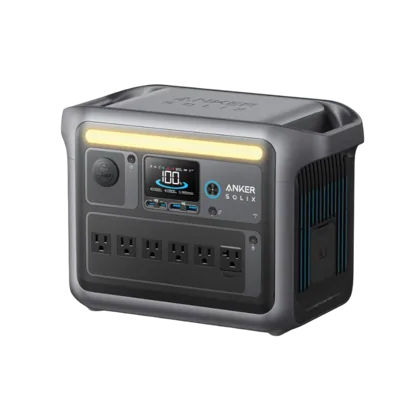 Anker SOLIX C1000 Anker SOLIX C1000 | LiFePO4 | 3,000 | about 8 |
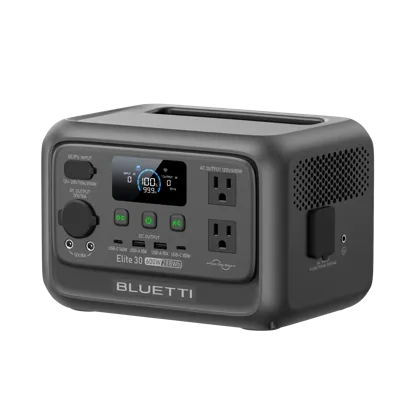 BLUETTI Elite 30 V2 BLUETTI Elite 30 V2 | LiFePO4 | 3,000 | about 8 |
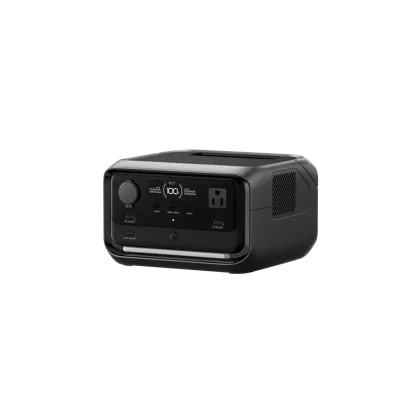 EcoFlow RIVER 3 Plus EcoFlow RIVER 3 Plus | LiFePO4 | 3,000 | about 8 |
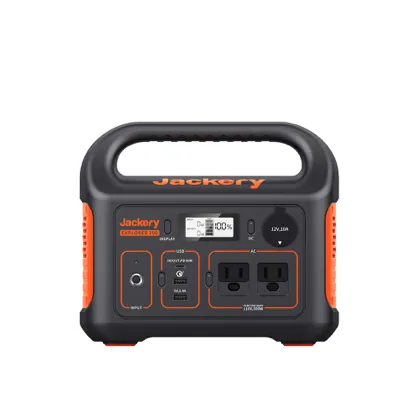 Jackery Explorer 300 Jackery Explorer 300 | NMC lithium-ion | 500 | about 1 |
“Years if cycled daily” assumes one full cycle every day, which is heavy use. If you only use your station for trips and outages, it will likely outlast these figures, though age itself also slowly wears every battery.
LiFePO4 vs NMC
LiFePO4 (lithium iron phosphate) cells typically last 3,000 cycles or more and are very thermally stable. Older and some lighter models use NMC cells, often rated around 500–1,000 cycles. If you’ll charge daily with solar, choose LiFePO4. Read the full comparison in LiFePO4 vs NMC.
What wears a battery out faster
- Heat. High temperatures speed up battery aging more than anything else. Don’t store or charge a station in a hot car or a sun-baked shed.
- Charging in freezing cold. Most LiFePO4 stations block charging below freezing to protect the cells; let it warm up first.
- Sitting at 0% for long periods. Recharge soon after use.
- Constant 100% in hot conditions. If a station will sit unused for months, a partial charge is gentler.
How to make it last longer
- Store it cool and dry, indoors if possible.
- For long storage, keep it around 50–80% and top it up every few months. Many apps let you set a charge limit.
- Before storm season or a trip, charge it to 100% so it’s ready.
- Use the default charging speed when you’re not in a hurry; save turbo modes for when you need them.
- Keep firmware updated through the maker’s app, since updates can improve battery management.
What about warranty?
Most major brands offer about 3–5 years of warranty on current power stations, and some extend it when you register the product. Check the warranty terms on the maker’s page and keep your receipt.
Questions
Can I replace the battery in a power station?
Usually not by yourself. Most power stations aren’t designed for user battery replacement; contact the maker for service options.
Is it bad to leave a power station plugged in all the time?
Many stations are designed to be used plugged in as a UPS, and their battery management handles it. If yours will sit plugged in for long periods, setting a lower charge limit in the app can reduce wear.
Longest-lasting picks
See the full ranking of longest-lasting power stations.
BLUETTI · Large
Elite 200 V2
- 2,074Wh
- 2,600W out
- 53.4lb
2,600 W output, 6,000-cycle LiFePO4 cells and fast 1,800 W wall charging. Not expandable, and heavy at 53 lb.
Anker · Large
SOLIX S2000
- 2,010Wh
- 1,500W out
- 35.7lb
Unusually compact and light for a 2 kWh LiFePO4 unit, with a 10 ms UPS. Solar input tops out at 400 W and it can’t take extra batteries.
EcoFlow · Whole-home
DELTA Pro 3
- 4,096Wh
- 4,000W out
- 113.5lb
A 4 kWh, 4,000 W home-backup system with 120/240 V output and 2,600 W of solar input, expandable to about 12 kWh. Heavy at 113.5 lb.
As an Amazon Associate I earn from qualifying purchases.